-1792512007588.png)
I have a theory: Motivation is lost because the love for the outcome has faded.
How many times have we started a new habit because we're sick and tired of the life we were living before we started it, only to abandon it shortly after?
There's a reason the second Friday in January has earned the nickname "Quitter's Day."
We start the new year determined to eat healthier, exercise more, spend less, or finally make that change we've been putting off.
And for a little while, we're all in.
But then life happens. The excitement fades. The habit gets harder. And somewhere along the way, we lose sight of why we started in the first place.
I wonder how many of those habits would stick if we spent more time reminding ourselves what we were actually trying to accomplish.
Let's Remove "Quitter's Day" From Your Financial Future
The same can be true for a financial plan.
A financial plan isn't great simply because it looks great on paper. It becomes great through implementation.
We all know there's no shortage of good financial ideas out there. Save more. Invest wisely. Reduce unnecessary taxes. Protect your family. Plan for retirement.
The shortage is often in motivation. And time.
Because knowing what you should do and actually doing it are two very different things.
If an advisor's job is to connect where you are today to the goals and aspirations you have for your life, your family, and the causes you care about, wouldn't it make sense to ensure that the plan is actionable and the motivation to implement it stays high?
And wouldn't a financial plan be more meaningful if it connected each strategy to an outcome that mattered to you, then prioritized those strategies based on their potential impact?
That's what we're working toward at Tandem.
Connecting what matters most to you with the financial decisions that can help make it possible.
Not just presenting a list of recommendations, but helping you understand why those recommendations deserve your attention.
Remember What You're Working Toward
Keeping motivation high for a new habit often requires reminding ourselves of the impact that habit can have on our lives. In the case of healthy eating and fitness, it's not necessarily about losing ten pounds or going to the gym four times a week.
It's having the energy to play with your kids.
Waking up feeling refreshed.
Having the strength and longevity to spend an active lifetime with the people you love.
Those are the outcomes that make the effort worthwhile. Why should financial planning be any different?
Maybe it's passing your business on to your children and watching them build upon what you started.
Maybe it's retiring early enough to enjoy more time with the grandchildren.
Maybe it's giving your loved ones a head start you never had.
Or maybe it's finally having the confidence to enjoy more of what you've spent decades working so hard to build.
The financial strategies behind those outcomes may be complex. And some will require patience, discipline, and sacrifice. But it's a whole lot easier to stay committed to a strategy when you understand what it's helping make possible.
A Plan That Moves With You
Of course, motivation alone isn't enough. Life changes. Priorities shift. Unexpected things happen.
That's why a financial plan shouldn't be something we create once, put in a binder, and revisit every few years. It should be an ongoing conversation about where you're headed, what's changed, and which decisions deserve your attention now.
Our job isn't simply to help you develop a plan. It's to help you continue moving toward the life that inspired the plan in the first place. Because at the end of the day, nobody really wants to implement an IRA contribution, an investment strategy, or an insurance recommendation just for the sake of checking something off a list.
They want what those decisions can help make possible.
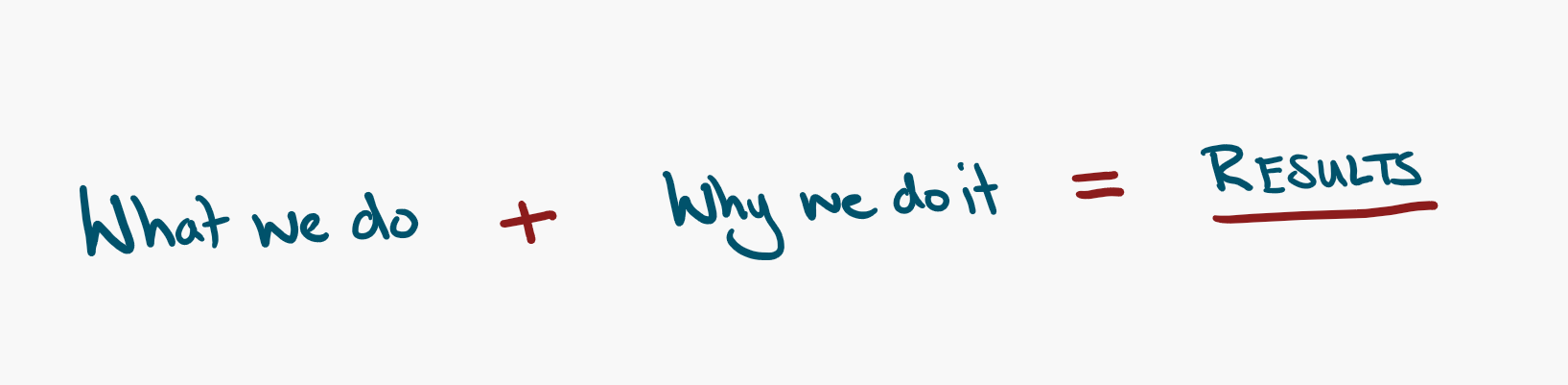
The strategy is what we do. The outcome is why we do it.
And when we keep the two connected, perhaps we can make "Quitter's Day" a little less relevant to our financial lives.